
Chemical Industry in Crisis: Climate Protection Rules Lead to Less Climate Protection and Exploding Medicine Prices

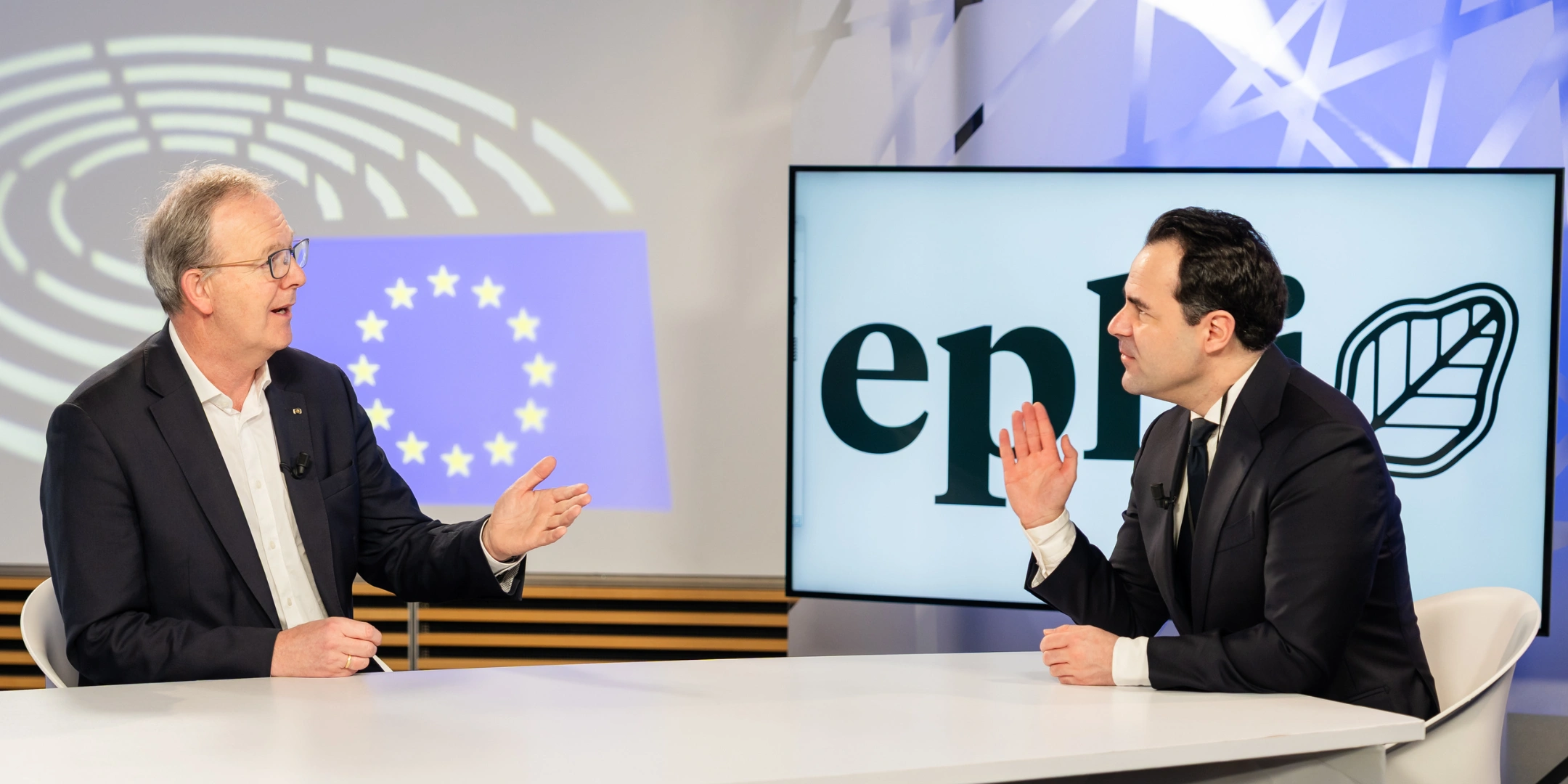
EPHI Representative Adam Schlüssler speaks with Member of the European Parliament Axel Voss about the dramatic downturn of Europe’s chemical industry—and what it means for citizens across the continent.

Filmed in the heart of the European Parliament, the conversation pulls no punches: over 100 plants shut down in just 18 months. Skyrocketing energy, labor, and emissions costs are pushing companies out of Europe.

The shocking consequence? Medicine prices are already up by as much as 50%—and could climb even higher. Even more explosive: climate protection rules may actually be leading to less climate protection.

As strict EU regulations drive production to countries with lower environmental standards, global CO₂ emissions are rising—while Europe loses jobs and industrial strength.

Key issues discussed

  • Carbon leakage: Are we exporting jobs and emissions?
  • Reduced global climate protection and emissions trading: Is the system going wrong?
  • Bureaucratic overload: How regulations are crushing businesses.
  • Is the Green Deal going too far?
  • Is Europe sacrificing its economy without saving the climate?
  • Can AI and digitalization save Europe's industry?

Adam Schlüssler,
EPHI's Brussels representative


Watch the complete interview to hear the full arguments and implications.
Contact us

Environment and Public Health Institute


Box 3039,
103 63 Stockholm

info@ephi.se

Org. number: 559342-4947

Latest from ephi.se on TT

Podcast: Health for the unhealthy

202. The conflict code

Is conflict something we should avoid - or take more seriously? In this episode, we meet Hana Jamali, psychologist and author of the book The Conflict Code, who argues that conflict is a vital part of close relationships. We talk about different styles of conflict...

read more

201. Abolishing the tax credit - at what cost?

The Social Democrats are campaigning to abolish the deduction for sick leave - a decision that could have serious consequences for the Swedish economy, according to Christian Ekström, CEO of the Taxpayers' Association. Why does sickness absence seem to increase during the Winter Olympics, moose hunting and the World Cup?.

read more

200. How endometriosis is treated

Endometriosis affects many people, but remains one of our most misunderstood diseases. In this episode, we explore the causes, symptoms and treatment with Ingrid Sääv, gynecologist and medical director of Stockholm's youth clinics.

read more

198 Ineffective prevention

The prevention currently practiced in Swedish healthcare is not effective. This is the opinion of specialist physician and researcher Minna Johansson, who has recently written a report on the subject. Based on the report, she discusses how overdiagnosis and demands for counseling...

read more

197. More generalists in healthcare

Swedish healthcare is characterized by an increasing number of specialists who focus on their own narrow area, while fewer and fewer look at the whole patient. This is the opinion of Fanny Nilsson, a resident in internal medicine and author of the book Åk till akuten. Nilsson describes how staff shortages,...

read more