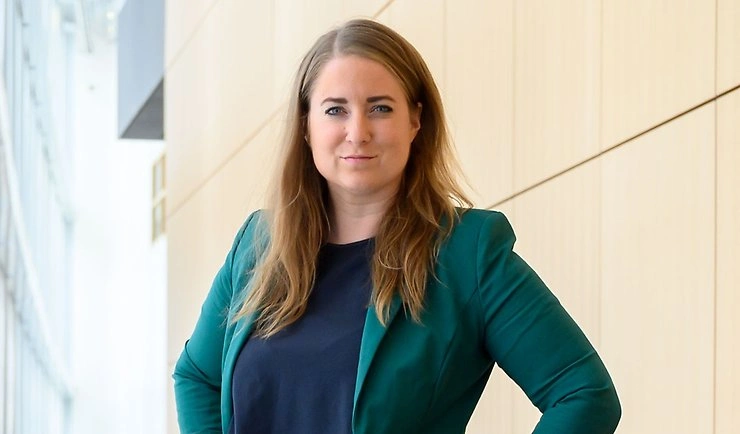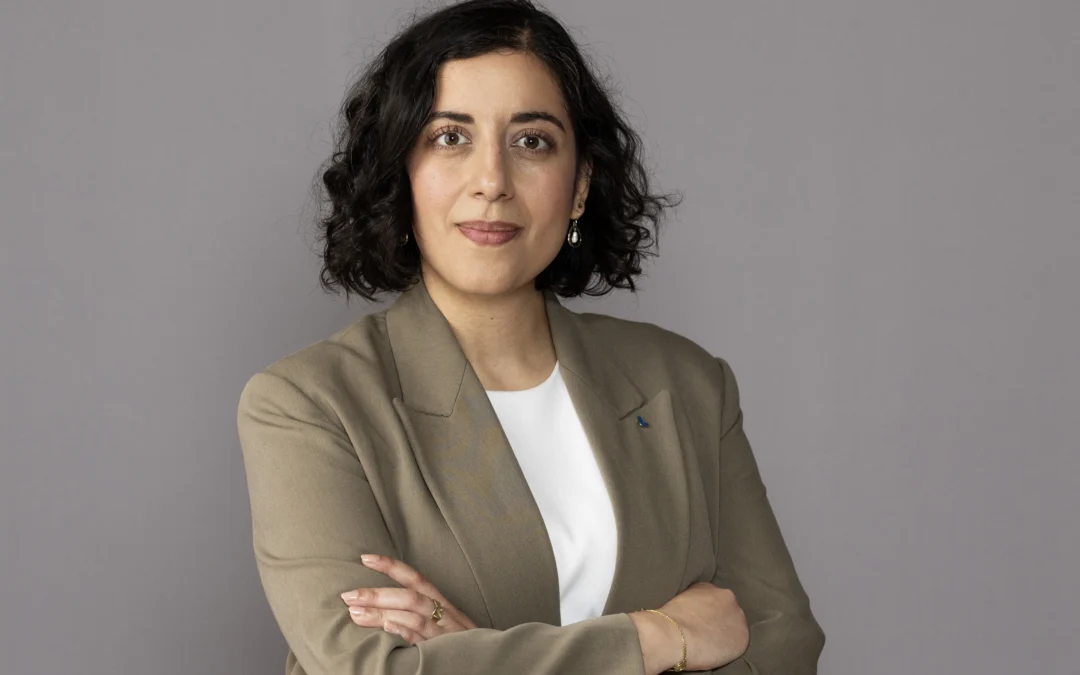

Doctor Vincent Flink Amble-Naess will soon publish a report at Ephi on obesity and medicines. Flink Amble-Naess notes that there is currently effective medical treatment for weight loss. The only question is who should receive it and how the treatment should be financed.
The ability to effectively store fat has been evolutionarily beneficial to humans. However, in modern society, many people experience enormous difficulties in losing weight. Severe obesity is on the rise in Sweden and is described as one of the biggest health challenges of our time.
Viewing obesity as a disease has been controversial, but Vincent Flink Amble-Naess explains that some people are less hormonally equipped to lose weight and then keep it off. For people with obesity, it is simply harder to lose weight than it is for normal-weight people not to gain weight.
There are effective medical treatments for weight loss, including the famous Ozempic and similar drugs. However, Swedish patients who are overweight or obese are not subsidized by these types of anti-obesity drugs.
You will be able to read more about this in the report to be published by Ephi early next year.
- "My report is about the evolutionary biology and biochemistry of obesity, and about the new drugs that have been on the market for a few years," says Vincent Flink Amble-Naess about his upcoming report.
Anti-obesity drugs seem to be a controversial topic, why do you think this is?
- Many people see it as a quick fix to a problem that has more to do with character than with a disease that requires treatment. In my report, I try to explain that the question of whether something is a disease has nothing to do with science, but merely describes a linguistic convention. Therefore, I believe that we should think in a different way. Everyone who benefits from a particular medicine should be offered it, for whatever reason.
Why is this topic and your report important?
- Obesity is probably the world's biggest health problem and unfortunately it is becoming more common. If I can help spread just a little information on the subject, I'm happy.
Here there is the podcast Health for the Unhealthy where Vincent Flink Amble-Naess was a guest.