37. From ICU to therapy

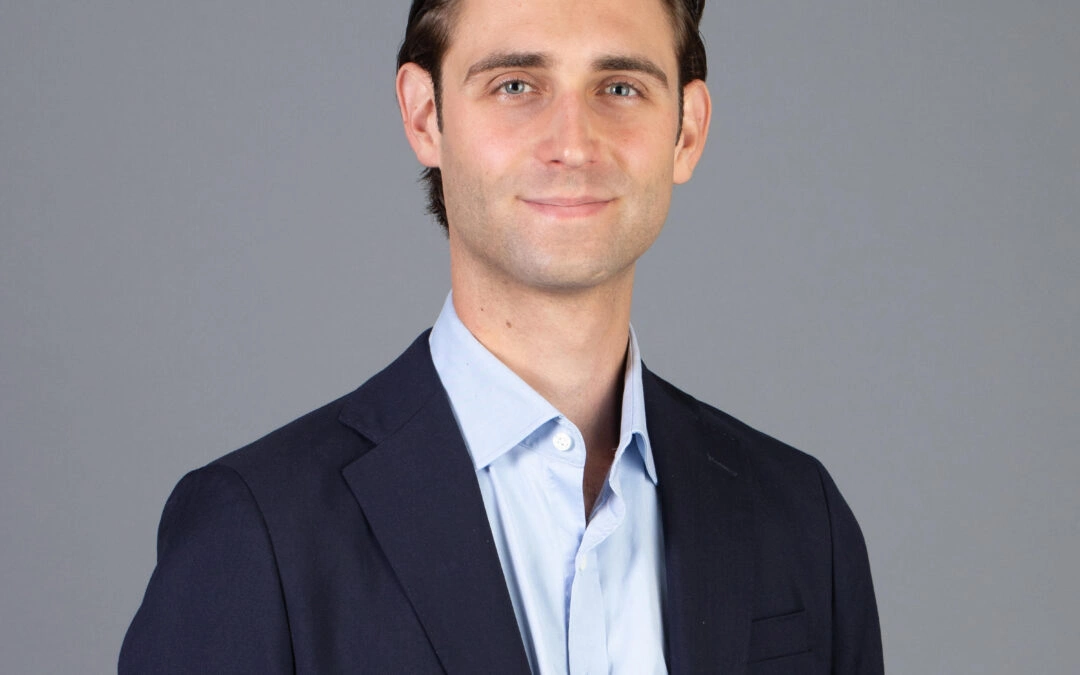
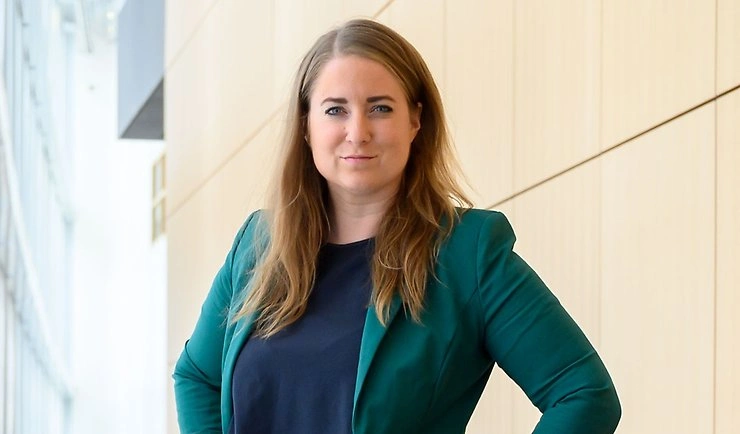
Susanne Nordling, Chair of the Psychiatry Committee of the Stockholm Health Board, and Christian Rück, Professor of Psychiatry, talk to David Eberhard about the state of our minds in times of corona. Will we see a wave of suicides and mental illness when the pandemic is over? As the WHO and others believe. Or is it actually good to go through difficulties in a group? Right now, fewer people than ever are being treated for mental health problems. But what will it be like and what should we prepare for?


Contact us

Environment and Public Health Institute


Box 3039,
103 63 Stockholm

info@ephi.se

Org. number: 559342-4947

Latest from ephi.se on TT

Podcast: Health for the unhealthy

208. Cure for futility

More and more people feel that life is meaningless, especially young people. In this week's episode, David Thurfjell, Professor of Religious Studies at Södertörn University and author of the book Anspråkstagen, is our guest. He explains why so many people have lost their sense of meaning, and what we...

read more

207. WHO and nicotine

There will always be a demand for nicotine, says Karl Erik Lund, a researcher at the Norwegian Institute of Public Health. When the WHO warns of a negative trend among young people in its latest report, Lund believes that the organization is drawing the wrong conclusions.

read more

206. Flossing prolongs life

Poor dental health can cause both diabetes and dementia, and flossing and better brushing can add years of healthy life. We talk about this with Björn Klinge, Professor Emeritus of Periodontology. 

read more

205. last night in Sweden

In today's episode, we discuss gang crime and social unrest with Paulina Neuding, editorial writer and author. What's behind the trend, and why did it take so long to recognize the problem?

read more

204 Effective Altruism

In this episode, we meet world-class artist José González, who talks about his commitment to effective altruism - a global movement based on the idea that, with evidence and analysis, we can do as much good as possible with the resources we have. González explains...

read more

203. How can psychogenic symptoms be transmitted?

In this episode, we look at examples of ”contagious psychogenic conditions”, with Kjell Asplund discussing apathetic children as one of several examples. Kjell Asplund is a medical doctor, professor of medicine at Umeå University and former director of the National Board of Health and Welfare. He helps...

read more