
The Environment and Public Health Institute is a think tank that addresses the environmental and health threats of our time. We do so with the conviction that free enterprise, economic growth, new technologies and free choice are not threats to our environment and health, but rather a prerequisite for them. Read more "
Our work is divided into public health program area and Environment program area.
What's new



184. Prevention pays off 14 times over
The costs of healthcare and sick leave are increasing every year, says Joakim Skarborg, CEO of Altea Capital. In this week's episode, he explains how preventive care can counteract this grim trend.
183. Pleasure for health
Gourmet Carl-Jan Granqvist shares his top tips for a pleasurable and healthy life.
182. All about sleep
Poor sleep has been shown to lead to a range of health problems such as obesity and type 2 diabetes, says sleep researcher Christian Benedict. In this episode, he explains how it all fits together and gives his top sleep tips.
181 Make IRL Great Again
The pandemic made us worse at socializing, fears party planner Amanda Colldén. In this episode, she shares her best party tips, and explains why partying and socializing are especially important for us lonely Swedes.
180. Pediatric care on subscription
Claude Kollin, CEO of Martina Children's Hospital, explains why parents seek privately funded care for their children. The article Claude refers to in the episode can be found here: https://www.svd.se/a/wgaymn/bumm-larmar-bup-kan-inte-hantera-adhd-varden-i-stockholm
179. Life and love according to Lena Andersson
Are men and women further apart than ever? We explore this and much more with author Lena Andersson.
178. Benjamin Dousa saves the snuff
White snus is under threat on three fronts, says Sweden's Minister for Development Cooperation and Foreign Trade Benjamin Dousa. He tells us what the government will do to stop tax increases and bans.
177. Healthy cosmetic surgery
Journalist Erik Galli answers whether cosmetic surgery can improve well-being, and whether being able to move your forehead is really desirable.
176. Reduced VAT on food, a bad idea
VAT is not a left-right issue, says Patrick Krassén, tax policy expert at Företagarna. Can the reduced VAT on food get rid of inflation? Or is it just election pork that risks leading to an even fatter population? We find out in today's...
175. Sport and gender
Sex hormones affect both strength and endurance. Therefore, athletes who have gone through male puberty should never compete with women, says Tommy Lundberg, associate professor of physiology at Karolinska Institutet.
Ephi Europe
EPHI was initially founded by former EU parliamentarian Christofer Fjellner (M) with the aim of working on sustainability and public health issues at the EU level.
We do this at EPHI, both from Stockholm and from our office in Brussels, where we have our representative, Adam Schlüssler.



Cannot collect videos from this channel. Please make sure this is a valid channel ID.




Downloaded publications
Several of EPHI's publications are available both in text and as recorded podcasts. Most often it is the authors themselves who read their text. Subscribe to EPHI's recorded reports and essays and you can listen to new exciting perspectives on environment and health issues when it suits you.
Listen below or on your favorite podcast platform.
No Results Found
The page you requested could not be found. Try refining your search, or use the navigation above to locate the post.
Latest from ephi.se on TT

Who should receive obesity medicines?
1.3 million Swedes have been diagnosed with obesity or are at risk of becoming obese. Obesity often leads to a range of secondary diseases...
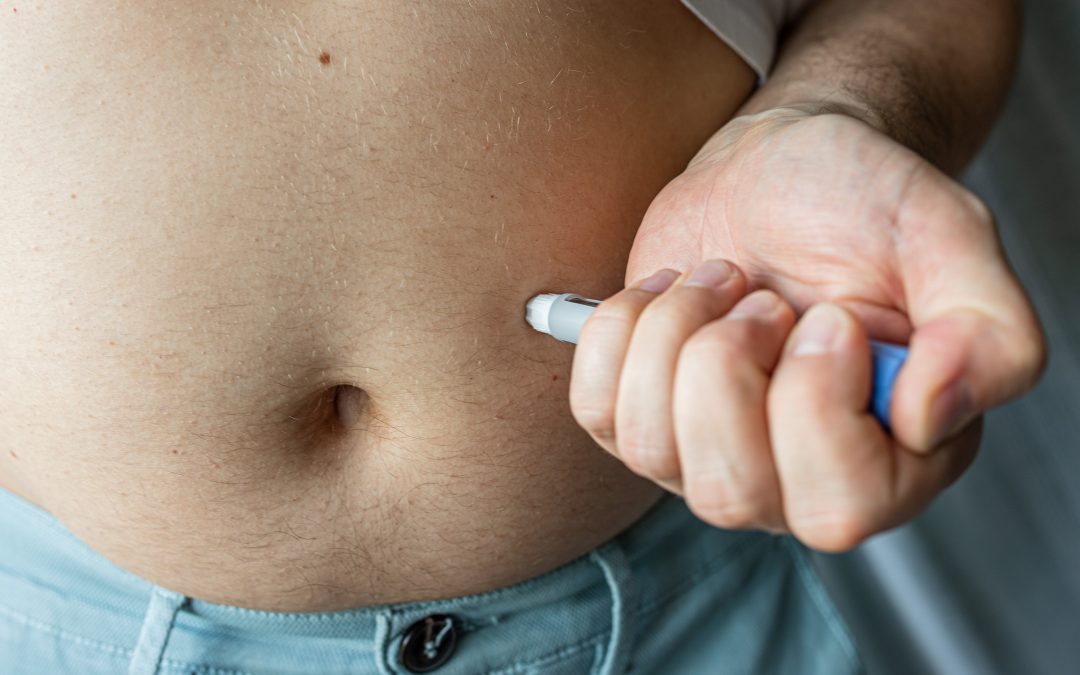
Report launch: Is slim a choice?
How should healthcare address obesity? And where do the new obesity drugs fit into the Swedish healthcare system? That's what doctor Vincent Flink asks...

Ephi launches new report on obesity and medicines
Doctor Vincent Flink Amble-Naess will soon be publishing a report at Ephi on obesity and drugs. Flink Amble-Naess notes that there are currently...

Epidemiologist Måns Rosén criticizes the National Board of Health and Welfare's advice on alcohol
According to new recommendations from the National Board of Health and Welfare, health services should offer support to people who drink ten or more standard glasses per...
Ephi welcomes Philippa Broom to the Ephi Advisory Board!
Post content Read more
A market economy and individual freedom are needed to overcome threats to our environment and health.
Ephi presents facts and analysis to contribute to an environmental and health debate based on reality - not on opinions and emotions.