Report: A final round - 50 years of the total consumption model

Just in time for midsummer, EPHI releases the report A final round which reviews the background to Swedish alcohol policy. The aim of the report is to review the rationale behind the state monopoly on the sale of alcohol. The idea is based on the notion that strict state control over alcohol sales reduces overall consumption - which in turn leads to fewer people drinking to excess. This idea is the reason, not only for our systemic companies, but also for the plethora of rules surrounding alcohol in restaurants. In the report Fredrik Nyström, Professor of Internal Medicine, Adrian Mehic, PhD in Economics, and Mattias Svensson, editorial writer and author, reviews the Swedish approach to alcohol from different perspectives. 

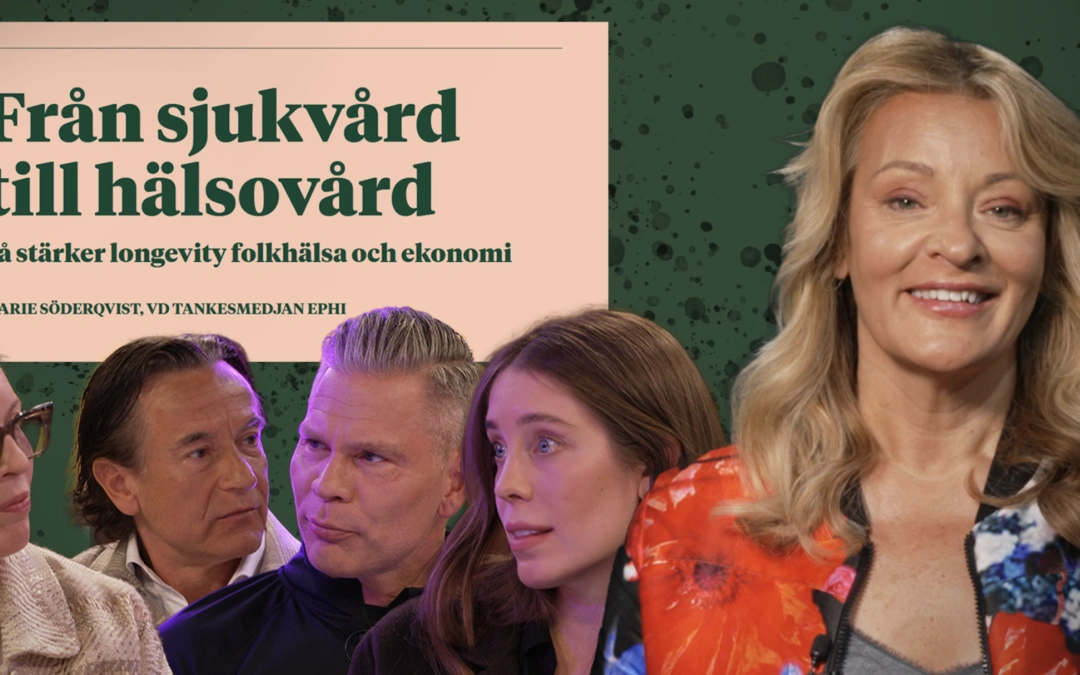
Watch the seminar on the report from Almedalen

Fredrik Nyström, Doctor and Professor of Internal Medicine, Linköping University Adrian Mehic, PhD in Economics, Institute for Business Research, IFN Mattias Svensson, Editorial Writer, Svenska Dagbladet Emma Serner, Wine Grower, Långmyre Winery The conversation is led by Henrik Jönsson and Marie Söderqvist.


Contact us

Environment and Public Health Institute


Box 3039,
103 63 Stockholm

info@ephi.se

Org. number: 559342-4947

Latest from ephi.se on TT

Podcast: Health for the unhealthy

207. WHO and nicotine

There will always be a demand for nicotine, says Karl Erik Lund, a researcher at the Norwegian Institute of Public Health. When the WHO warns of a negative trend among young people in its latest report, Lund believes that the organization is drawing the wrong conclusions.

read more

206. Flossing prolongs life

Poor dental health can cause both diabetes and dementia, and flossing and better brushing can add years of healthy life. We talk about this with Björn Klinge, Professor Emeritus of Periodontology. 

read more

205. last night in Sweden

In today's episode, we discuss gang crime and social unrest with Paulina Neuding, editorial writer and author. What's behind the trend, and why did it take so long to recognize the problem?

read more

204 Effective Altruism

In this episode, we meet world-class artist José González, who talks about his commitment to effective altruism - a global movement based on the idea that, with evidence and analysis, we can do as much good as possible with the resources we have. González explains...

read more

203. How can psychogenic symptoms be transmitted?

In this episode, we look at examples of ”contagious psychogenic conditions”, with Kjell Asplund discussing apathetic children as one of several examples. Kjell Asplund is a medical doctor, professor of medicine at Umeå University and former director of the National Board of Health and Welfare. He helps...

read more

202. The conflict code

Is conflict something we should avoid - or take more seriously? In this episode, we meet Hana Jamali, psychologist and author of the book The Conflict Code, who argues that conflict is a vital part of close relationships. We talk about different styles of conflict...

read more