How do we get electricity grids for the future? 1/6

How do we get electricity grids for the future? 1/6

The electrification of everything from Swedish industry to our transport sector is proceeding at a rapid pace and is a prerequisite for combating climate change. While the debate is raging about how to produce more and more electricity, the electricity grids that will deliver it are silent.

This is a major problem. The challenge of getting sufficient electricity grids in place in time is monumental and the costs that ultimately end up on electricity grid customers will be breathtaking. If we do not take the expansion of electricity grids seriously, there is a great risk that there will be no electricity in the outlet and that Sweden will miss the set climate goals, no matter how much wind or nuclear power we build.

The Environment and Public Health Institute (EPHI) has brought together some of the brightest minds to outline the challenges of the future electricity grid in a series of short reports.

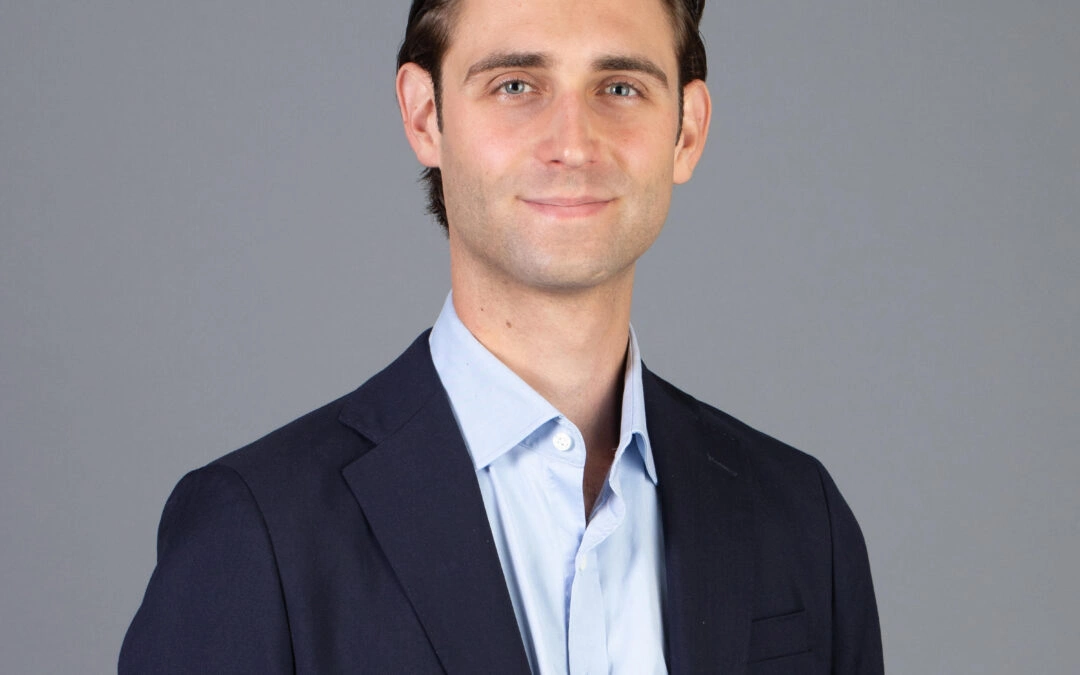
In this first of six reports, we get Henrik Henriksson's perspective on the electricity grid issue. In his everyday life, Henriksson is CEO of H2 Green Steel, which uses hydrogen instead of coke to produce steel with minimal environmental impact. Hydrogen production requires significant amounts of reliable electricity, delivered on time, to the right place.

HOW DO WE GET ELECTRICITY GRIDS FOR THE FUTURE PART 1/6

If you fix the grid, we fix the climate! - Henrik Henriksson (pdf)

Henrik Henriksson presents his report

Contact us

Environment and Public Health Institute


Box 3039,
103 63 Stockholm

info@ephi.se

Org. number: 559342-4947

Latest from ephi.se on TT

Podcast: Health for the unhealthy

207. WHO and nicotine

There will always be a demand for nicotine, says Karl Erik Lund, a researcher at the Norwegian Institute of Public Health. When the WHO warns of a negative trend among young people in its latest report, Lund believes that the organization is drawing the wrong conclusions.

read more

206. Flossing prolongs life

Poor dental health can cause both diabetes and dementia, and flossing and better brushing can add years of healthy life. We talk about this with Björn Klinge, Professor Emeritus of Periodontology. 

read more

205. last night in Sweden

In today's episode, we discuss gang crime and social unrest with Paulina Neuding, editorial writer and author. What's behind the trend, and why did it take so long to recognize the problem?

read more

204 Effective Altruism

In this episode, we meet world-class artist José González, who talks about his commitment to effective altruism - a global movement based on the idea that, with evidence and analysis, we can do as much good as possible with the resources we have. González explains...

read more

203. How can psychogenic symptoms be transmitted?

In this episode, we look at examples of ”contagious psychogenic conditions”, with Kjell Asplund discussing apathetic children as one of several examples. Kjell Asplund is a medical doctor, professor of medicine at Umeå University and former director of the National Board of Health and Welfare. He helps...

read more

202. The conflict code

Is conflict something we should avoid - or take more seriously? In this episode, we meet Hana Jamali, psychologist and author of the book The Conflict Code, who argues that conflict is a vital part of close relationships. We talk about different styles of conflict...

read more