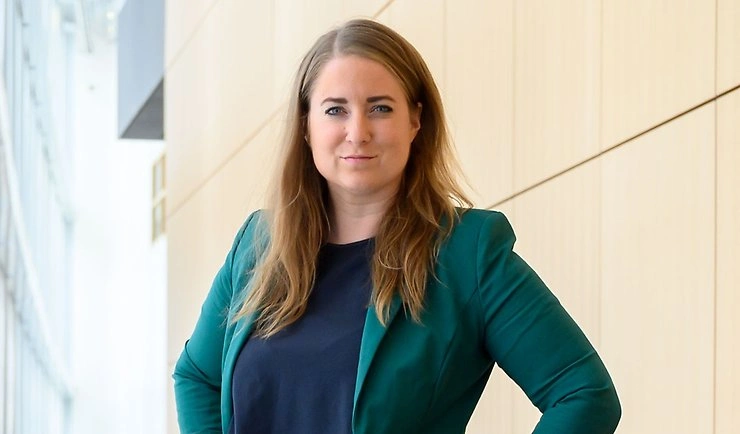
"If we have a 100% reduction of CO2 but no jobs, then we have achieved the Green Deal but our business model as Europe is at the end... In Germany we lost over 100.000 Jobs in the last 12 months"
- MEP Jens Giesecke
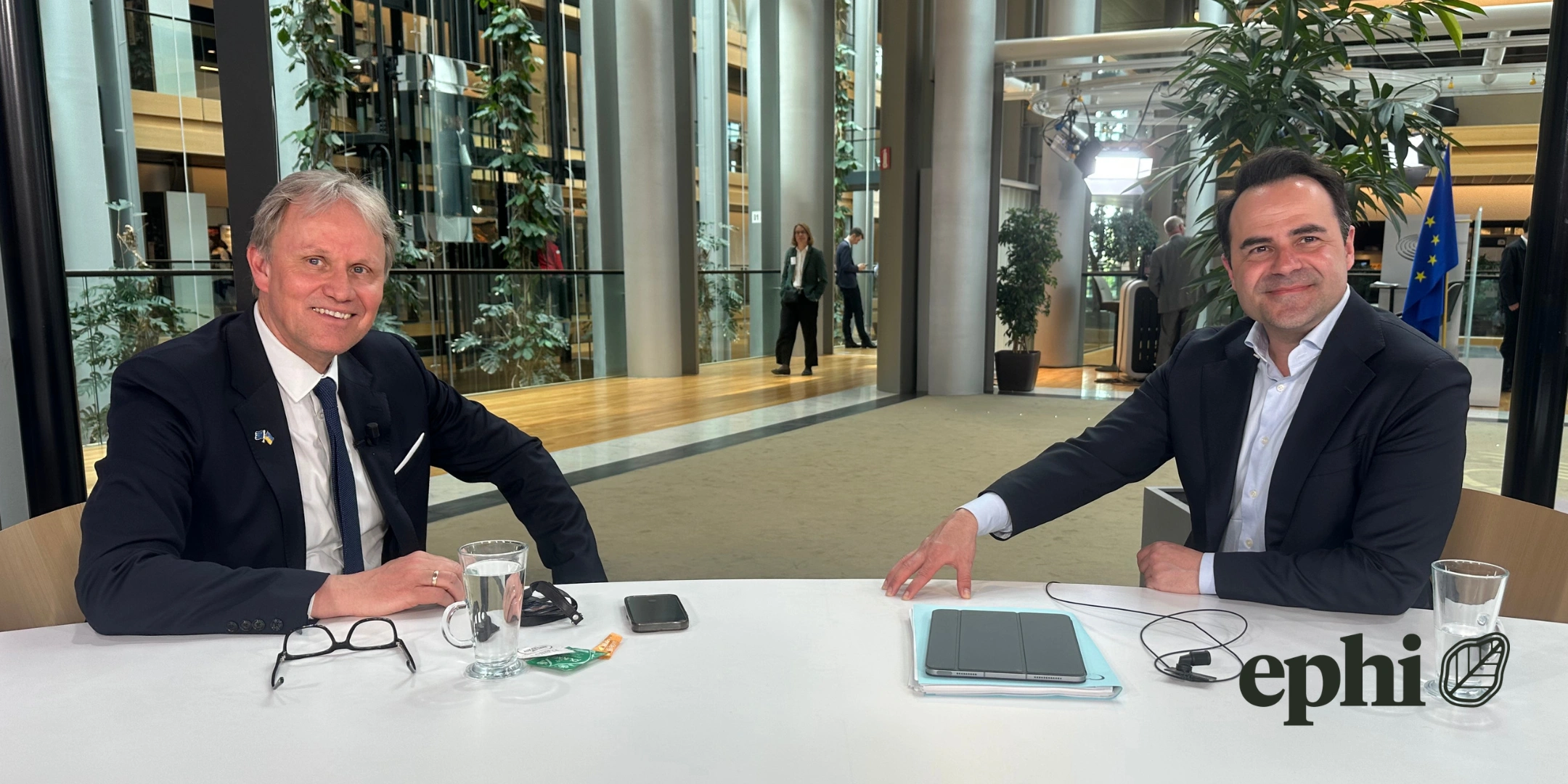
By many considered the most influential parliamentarian in the European Parliament on the automotive sector, MEP Jens Gieseke sat down for an exclusive interview in the heart of the European Parliament in Strasbourg, where EPHI representative Adam Schlüssler discussed with him the future of Europe’s automotive industry and environmental over-regulation.
"Over-regulation: The Green Deal produced over 12.000 pieces of legislation which was like a Tsunami. And technology bans in the automotive sector: I'm not convinced that we as politicians should exclude a technology. Producers, scientists and customers should decide and not the politicians. I do not want to force people to buy certain products."
They debate the direction of the Green Deal, the planned phase-out of combustion engines, and whether current regulations are too rigid or ideologically driven. The conversation also explores alternative technologies such as e-fuels, biofuels, and hybrids, and the need for real technological competition instead of strict technology bans.
They also discussed Jens Gieseke's role as chief negotiator on Europe's biggest recycling law in the automotive sector: the new EU regulation regarding the circularity of vehicle design and management of end-of-life vehicles (ELV) and the need for more realistic environmental goals and less environmental overambitious targets.
Further topics include Europe’s dependence on China in the electric vehicle supply chain, the balance between climate targets and industrial competitiveness, and how to reduce bureaucracy while protecting SMEs and manufacturing jobs.
"It was a mistake to have a one-sided political approach excluding technologies where we were leading and just focusing on electrical vehicles, that was a huge mistake because in practice it is difficult to compete with Chinese car manufacturers."
The discussion also touches on Europe’s demographic challenges, the silver economy, preventive healthcare, and the importance of public-private partnerships in shaping a more innovation-driven future.
Europe is under huge pressure. We must restore technological neutrality and innovation by remembering that you can avoid reality, but you cannot avoid the consequences of avoiding reality.
Adam Schlüssler,
EPHI's Brussels representative
Watch the full Interview here.